Why spinning lidar sensors might be around for another decade

Why spinning lidar sensors might be around for another decade

  • May 8, 2018
Table of Contents

Why spinning lidar sensors might be around for another decade

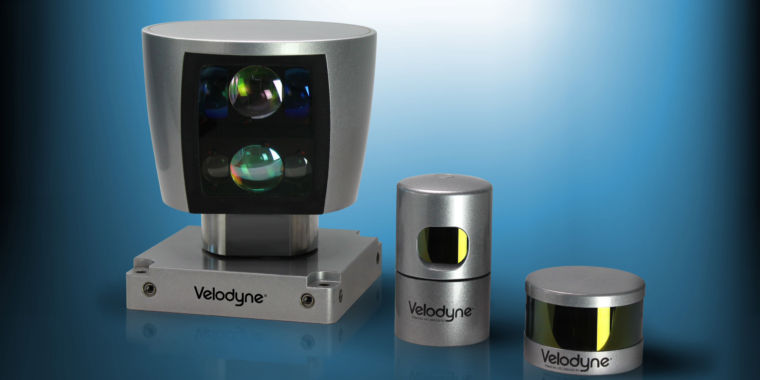
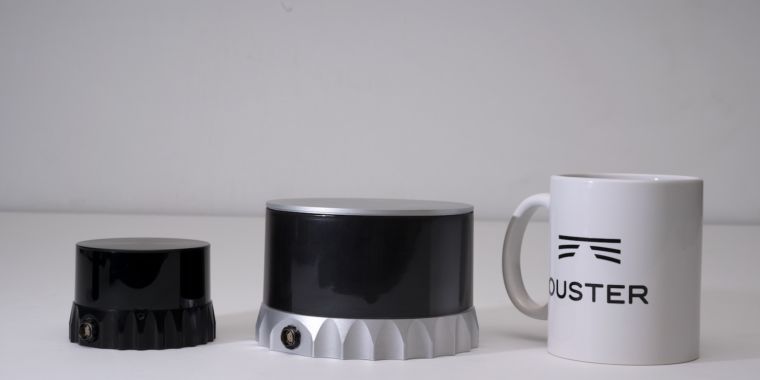
Velodyne invented modern three-dimensional lidar scanners in the mid-2000s. But in recent years, the conventional wisdom has held that Velodyne’s design—which involves mounting 64 lasers onto a rotating gimbal—would soon be rendered obsolete by a new generation of solid-state lidar sensors that use a single stationary laser to scan a scene. But a startup called Ouster is seeking to challenge that view, selling Velodyne-like spinning lidar sensors at competitive prices.

In late April, we talked to Ouster CEO Angus Pacala, who has special expertise on the tradeoffs between spinning and solid-state lidars. The reason: Pacala was previously a co-founder at Quanergy, one of the best-known startups working on solid-state lidar.

Source: arstechnica.com

Share :
comments powered by Disqus

Related Posts

What Happens When a Self-driving Car Is at Fault?

What Happens When a Self-driving Car Is at Fault?

In the eyes of insurers, today’s self-driving vehicles are treated no differently than conventional cars when they’re involved in a collision, according to Maureen Brown of Munich Reinsurance America, a firm that insures a number of companies testing autonomous vehicles. And states that allow companies to test self-driving vehicles require them, as with human drivers, to have insurance. Every autonomous Uber vehicle, for example, is covered by commercial auto liability insurance that covers bodily injury (including death) and property damage.

Read More
Velodyne invented modern lidar—it’s about to face real competition

Velodyne invented modern lidar—it’s about to face real competition

David Hall invented modern three-dimensional lidar more than a decade ago for use in the DARPA Grand Challenge competitions. His company, Velodyne, has dominated the market for self-driving car lidar ever since. Last year, Velodyne opened a factory that it said had the capacity to produce a million lidar units in 2018—far more than any other maker of high-end lidars.

Read More