Using CRISPR to edit coral
Table of Contents
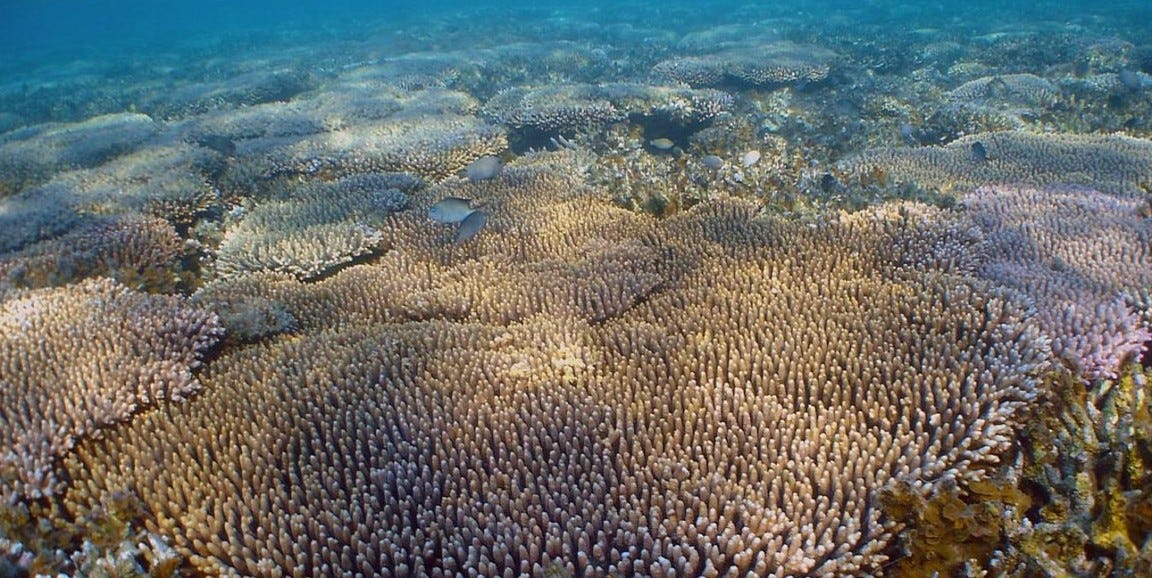
The work was published online in the Proceedings of the National Academy of Sciences. Phillip Cleves, PhD, a postdoctoral scholar at Stanford and coral enthusiast, is first author on the study. Cleves and his collaborators were able to use CRISPR to successfully introduce mutations to three genes (red fluorescent protein, green fluorescent protein and fibroblast growth factor 1a, a gene that is thought to help regulate new coral colonization) in a specific type of coral, Acropora millepora, definitively showing for the first time that the gene-editing technology could be successful in coral species.
Some 30 years ago, the world saw its first big global coral bleaching take place—an event that killed more than 15 percent of the ocean’s reefs. Since then, as temperatures continue to rise, so have rates of coral bleaching, leaving scientists scrambling to find new conservation strategies to protect this beloved ocean animal (coral is an animal, not a plant) and the ecosystem it supports. Now, researchers at Stanford have turned to CRISPR, a gene-editing tool that allows for quick and accurate changes in the DNA of organisms.
And for what appears to be the first time, scientists have successfully edited the genes in a type of widespread coral found in the Great Barrier Reef.
Source: medium.com