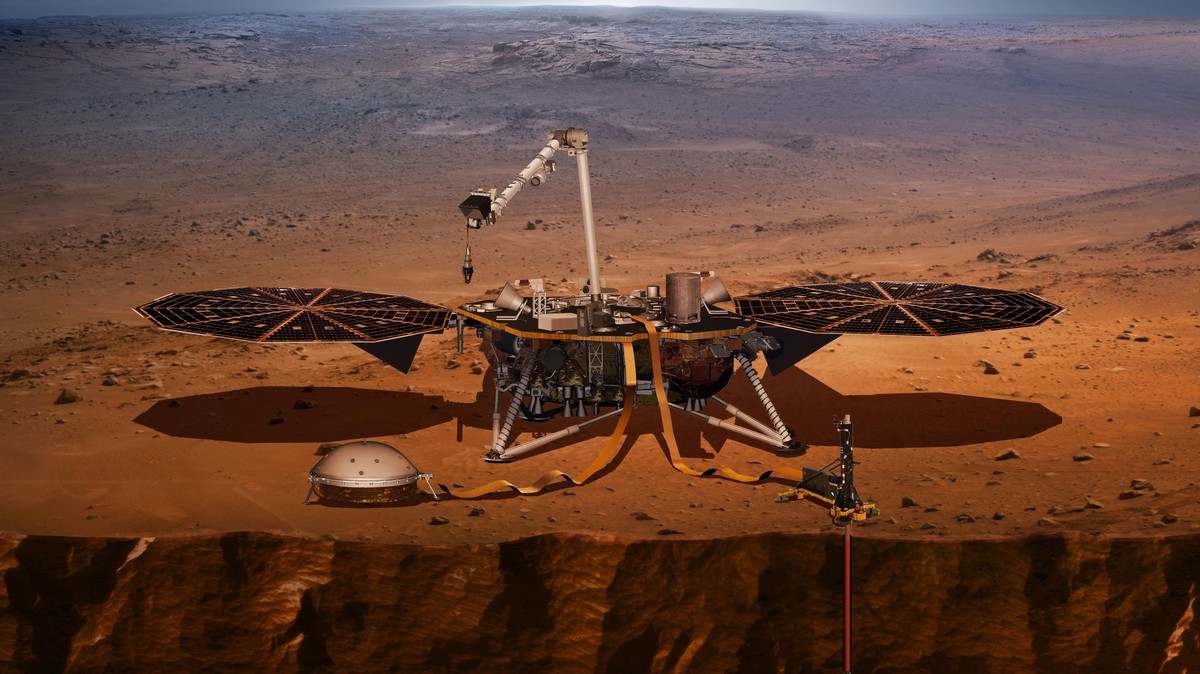
NASA asks for Europa lander science experiments—and that’s a big deal
Table of Contents
NASA is in various stages of planning two multi-billion dollar missions to Jupiter’s intriguing, ice-covered moon of Europa. One, a flyby mission known as the Europa Clipper, will make dozens of passes of the moon down to an altitude of about 25km as it assesses the nature of the ice and the ocean below and looks for clues of habitability. A secondeven more ambitious missionwould seek to actually land on Europa, sample its ice, and look for signs of life.
Both missions, but especially the lander, would be among the most complex, daring, and costly planetary science missions that NASA has attempted. However, both the Clipper and lander are not equally likely to occur. The Clipper is more established.
It has been progressing through NASA’s multi-tiered review process and has a launch date of 2022. In the president’s budget request for fiscal year 2019, it also received $265 million in funding. Worryingly, the lander also received no funding in the fiscal year 2019 budget from the White House.
For the time being, it remains reliant on Congress and especially a single representative in the US House of Representatives—Texas Republican John Culberson. In the House budget proposal for 2019, where Culberson sets the topline numbers for NASA as chairman of the authorizing subcommittee, the Clipper mission received $545 million and the lander $195 million. For this reason, the lander mission would benefit from a broader constituency, and that means more buy-in from the US scientific community.
The lander took a critical step along this path Thursday, when NASA’s associate administrator for science, Thomas Zurbuchen, announced the space agency had begun accepting scientific instrument proposals for the robotic lander. ‘What concept would best help NASA and a potential future robot explore this icy world?’ he asked.
Source: arstechnica.com