Leading UK scientist reveals likely cause of childhood leukaemia

Leading UK scientist reveals likely cause of childhood leukaemia

  • May 22, 2018
Table of Contents

Leading UK scientist reveals likely cause of childhood leukaemia

Professor Mel Greaves from The Institute of Cancer Research, London, assessed the most comprehensive body of evidence ever collected on acute lymphoblastic leukaemia (ALL) – the most common type of childhood cancer. His research concludes that the disease is caused through a two-step process of genetic mutation and exposure to infection that means it may be preventable with treatments to stimulate or ‘prime’ the immune system in infancy. The first step involves a genetic mutation that occurs before birth in the foetus and predisposes children to leukaemia – but only 1 per cent of children born with this genetic change go on to develop the disease.

The second step is also crucial. The disease is triggered later, in childhood, by exposure to one or more common infections, but primarily in children who experienced ‘clean’ childhoods in the first year of life, without much interaction with other infants or older children.

Source: ac.uk

Share :
comments powered by Disqus

Related Posts

The Microbiome is the Fundamental Future of Personalized Medicine

The Microbiome is the Fundamental Future of Personalized Medicine

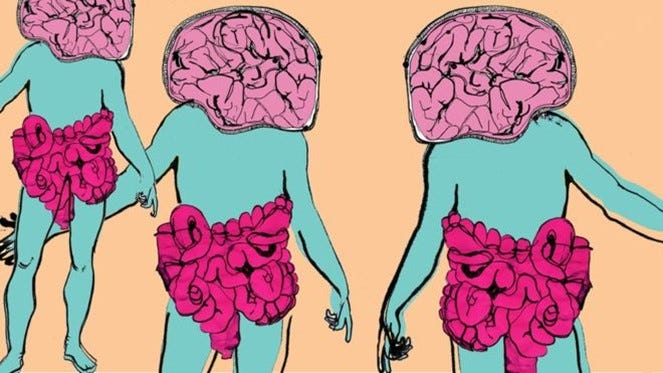
If anything makes us human it’s our minds, thoughts and emotions. And yet a controversial new concept is emerging that claims gut bacteria are an invisible hand altering our brains. Science is piecing together how the trillions of microbes that live on and in all of us—our microbiome—affect our physical health.

Read More
Mice with 3D-Printed Ovaries Successfully Give Birth

Mice with 3D-Printed Ovaries Successfully Give Birth

AsKatherine Kornei at Science reports,the researchers used a 3D printer to build the scaffolding of the organs, weaving layers of gelatin to createtiny (15 x 15 millimeter) ovaries on glass slides. They then tested the scaffolds by embedding a follicle—the tiny sacs composed of hormone-secreting cells that containthe maturing eggs. This test suggested that the tightest weave supported the highest survival rates, reports Kornei.

Read More