Introducing kepler.gl, Uber’s Open Source Geospatial Toolbox

Introducing kepler.gl, Uber’s Open Source Geospatial Toolbox

  • June 2, 2018
Table of Contents

Introducing kepler.gl, Uber’s Open Source Geospatial Toolbox

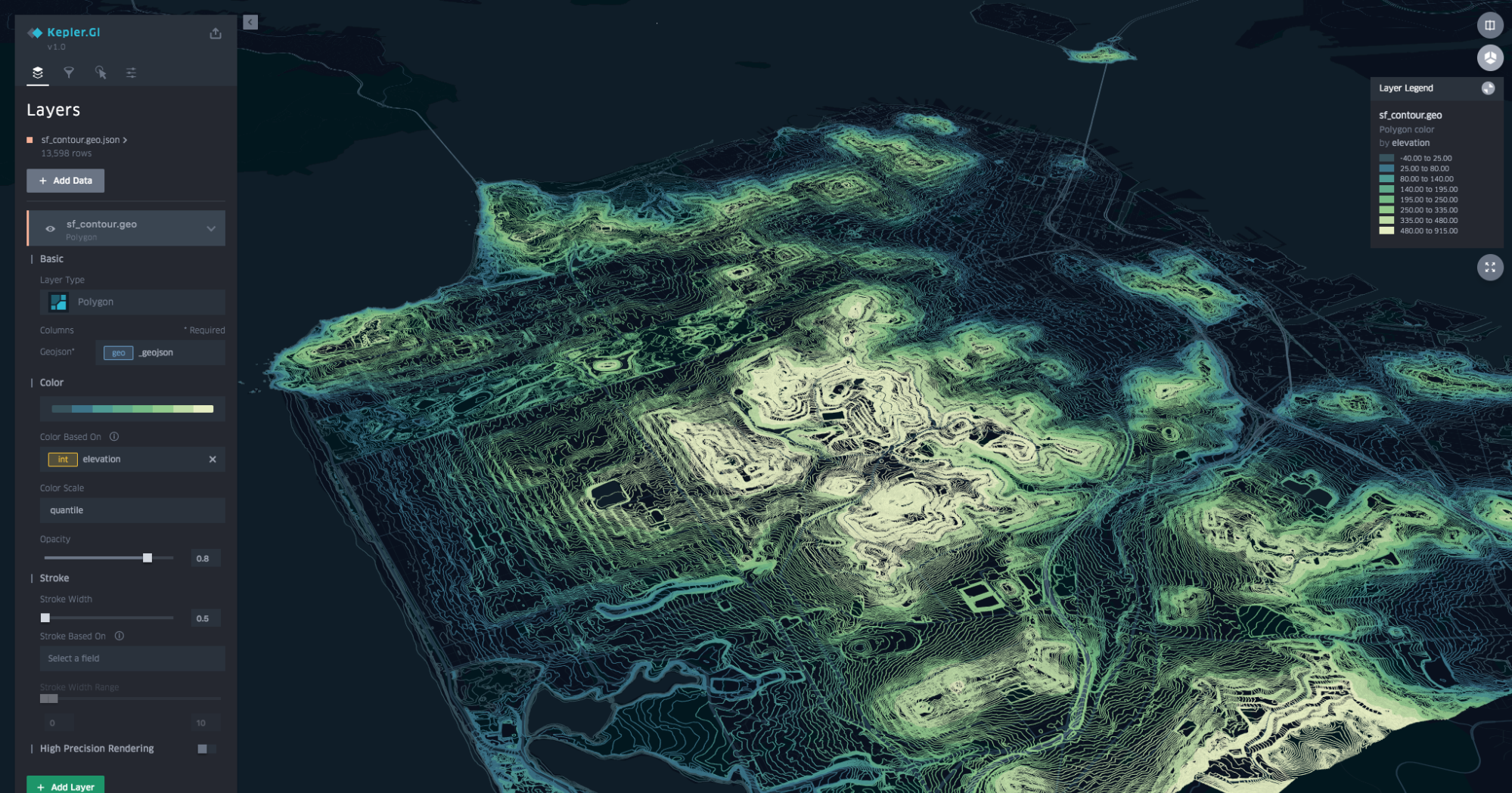
Created by Uber’s Visualization team, kepler.gl is an open source data agnostic, high-performance web-based application for large-scale geospatial visualizations. At Uber, we leverage data visualization to better understand how our cities move. Our solutions enable us to embed maps with rich location data, render millions of GPS points in the blink of an eye, and, most importantly, derive insights from them.

No matter the frameworks or tools used, creating interactive visualizations follows a similar process: data collection, data processing, visualization exploration via web-based tools such as QGIS, Carto, and Mapbox Studio, and then porting the visualizations into Javascript with React, D3.js, and Three.js to build prototypes. Not only is the process tedious, but it may or may not reap useful visualizations. In many cases, there are more visualization ideas than there is time and people to make them.

To make it easier for users with a variety of experience and skill levels to create meaningful data visualizations, we are proud to announce the launch of kepler.gl, our open source geoanalytics tool. Built on top of the deck.gl WebGL data visualization framework, kepler.gl scales the map creation process by quickly gaining insights and validating visualization ideas from geospatial data. WebGL data visualization framework, kepler.gl scales the map creation process by quickly gaining insights and validating visualization ideas from geospatial data.

Source: uber.com

Tags :
Share :
comments powered by Disqus

Related Posts

Showdown: MySQL 8 vs. PostgreSQL 10

Showdown: MySQL 8 vs. PostgreSQL 10

Now that MySQL 8 and PostgreSQL 10 are out, it’s a good time to revisit how the two major open source relational databases compete against each other. Before these versions, the general perception has been that while Postgres is superior in feature sets and its pedigree, MySQL is more battle tested at scale with massive concurrent reads/writes. But with the latest releases, the gap between the two has gotten significantly narrowed.

Read More
Growing the Data Visualization Community with deck.gl v5

Growing the Data Visualization Community with deck.gl v5

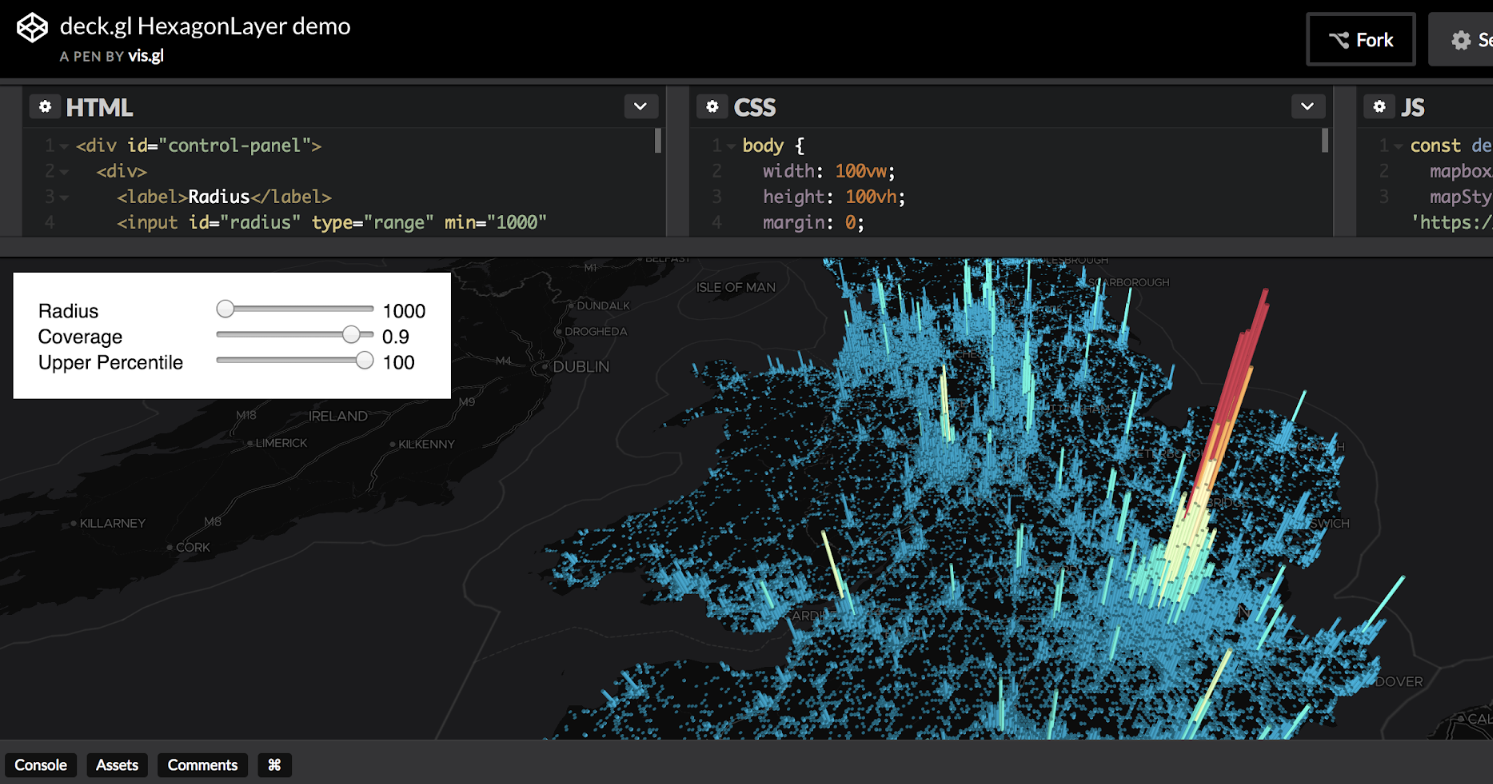
Today, the Uber Visualization team open sourced deck.gl 5.3, the final deck.gl v5 release of our data visualization software. The v5 releases represent a major effort devoted to making deck.gl easier to use than ever before, and we hope that by sharing the story behind these improvements, we can get users excited to try out deck.gl v5’s new simplified APIs and features. While a lot of code required modification, the most important part of making deck.gl independent from React was deciding how the new non-React-based API should look.

Read More
Kubernetes Containerd Integration Goes GA

Kubernetes Containerd Integration Goes GA

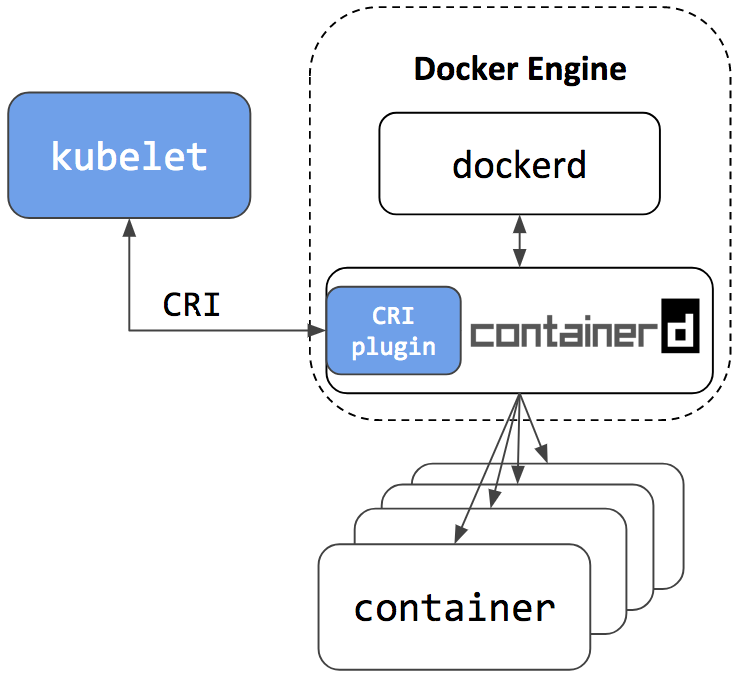
Containerd 1.1 works with Kubernetes 1.10 and above, and supports all Kubernetes features. The test coverage of containerd integration on Google Cloud Platform in Kubernetes test infrastructure is now equivalent to the Docker integration (See: test dashboard). We’re very glad to see containerd rapidly grow to this big milestone.

Read More