Learn Reinforcement Learning from scratch
Table of Contents
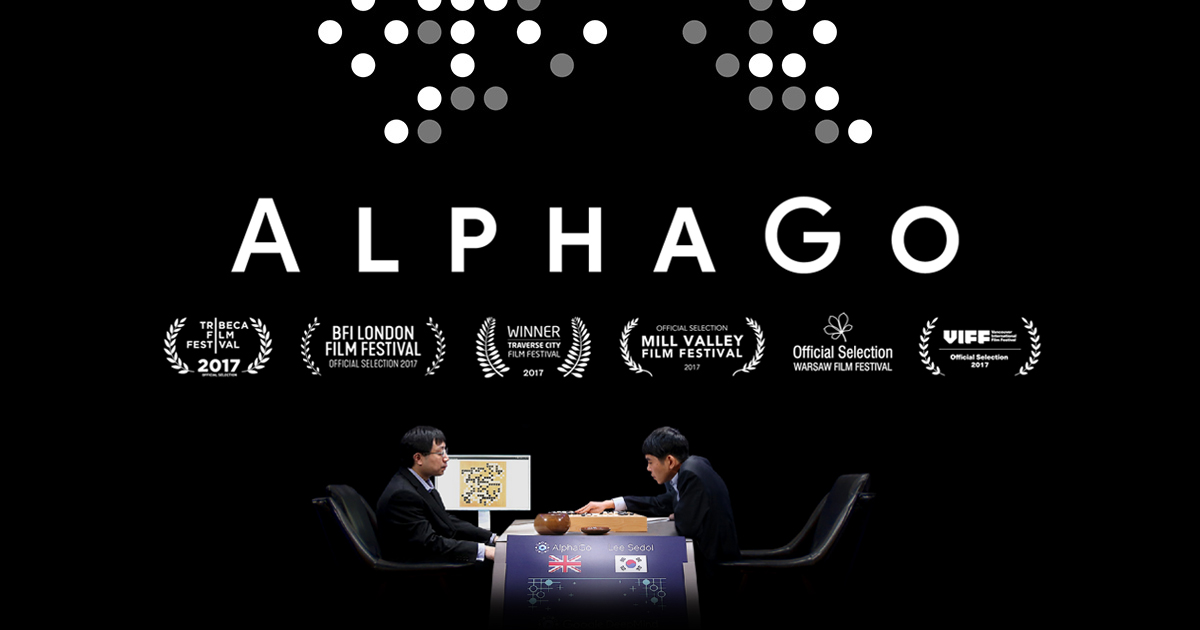
Deep RL is a field that has seen vast amounts of research interest, including learning to play Atari games, beating pro players at Dota 2, and defeating Go champions. Contrary to many classical Deep Learning problems that often focus on perception (does this image contain a stop sign?) , Deep RL adds the dimension of actions that influence the environment (what is the goal, and how do I get there?).
In dialog systems for example, classical Deep Learning aims to learn the right response for a given query. On the other hand, Deep Reinforcement Learning focuses on the right sequences of sentences that will lead to a positive outcome, for example a happy customer. This makes Deep RL particularly attractive for tasks that require planning and adaptation, such as manufacturing or self-driving.
However, industry applications have trailed behind the rapidly advancing results coming out of the research community. A major reason is that Deep RL often requires an agent to experiment millions of times before learning anything useful. The best way to do this rapidly is by using a simulation environment.
This tutorial will be using Unity to create environments to train agents in. Deep RL can be used to best the top human players at Go, but to understand how that’s done, you first need to understand a few simple concepts, starting with much easier problems.
Source: insightdatascience.com