How BuzzFeed Migrated from a Perl Monolith to Go and Python Microservices

How BuzzFeed Migrated from a Perl Monolith to Go and Python Microservices

  • June 29, 2018
Table of Contents

How BuzzFeed Migrated from a Perl Monolith to Go and Python Microservices

BuzzFeed have recently migrated from a monolithic Perl application to a set of around 500 microservices written in a mixture of Python and Go. Initially their routing logic was implemented in the CDN but that proved difficult to test and maintain. They subsequently switched to using NGINX for routing.

The site router service is designed to run on top of BuzzFeed’s own Rig platform, which facilitates easy deployment to each of the services in each Amazon Elastic Container Service environment (ECS) they run (test, stage and production). BuzzFeed have built an abstraction layer that allows configuration of the routing service using YAML.

Starting in 2016 BuzzFeed began a re-architecture project moving from a single monolithic application written in Perl to a set of microservices. The main reason for the move was that the Perl application was proving hard to scale, essential given that buzzfeed.com alone serves about 7 billion page views/month, and the organisation also publishes content to around 30 different social platforms and language editions.

Source: infoq.com

Tags :
Share :
comments powered by Disqus

Related Posts

Introducing Git protocol version 2

Introducing Git protocol version 2

Today we announce Git protocol version 2, a major update of Git’s wire protocol (how clones, fetches and pushes are communicated between clients and servers). This update removes one of the most inefficient parts of the Git protocol and fixes an extensibility bottleneck, unblocking the path to more wire protocol improvements in the future. The main motivation for the new protocol was to enable server side filtering of references (branches and tags).

Read More
Kubernetes Containerd Integration Goes GA

Kubernetes Containerd Integration Goes GA

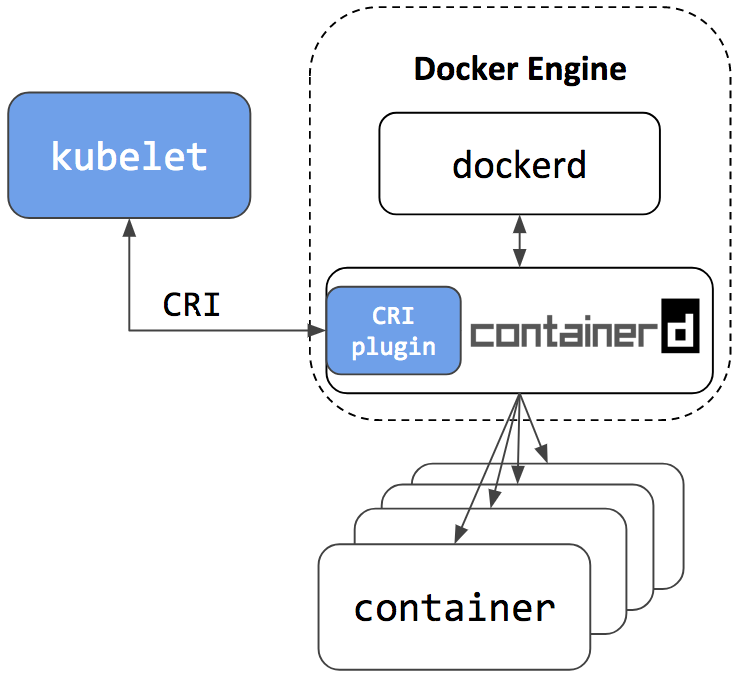
Containerd 1.1 works with Kubernetes 1.10 and above, and supports all Kubernetes features. The test coverage of containerd integration on Google Cloud Platform in Kubernetes test infrastructure is now equivalent to the Docker integration (See: test dashboard). We’re very glad to see containerd rapidly grow to this big milestone.

Read More
Reconciling GraphQL and Thrift at Airbnb

Reconciling GraphQL and Thrift at Airbnb

For several years, we had a few eager advocates for GraphQL at Airbnb, but the project never quite made it through the gates largely due to the perception that “GraphQL the Religion”—a worldview where all data is a graph all the way down—would be incompatible with our particular services-oriented architecture (SOA) strategy, which defines service-to-service communication using Thrift Interface Definition Language (IDL) and delivers data to clients via dedicated Presentation Services. We recently reframed a case for “GraphQL the API Layer.” Embracing how GraphQL could complement rather than compete with our Presentation Services, it found much more traction.

Read More