The inconvenient truth about cancer and mobile phones

The inconvenient truth about cancer and mobile phones

  • July 15, 2018
Table of Contents

The inconvenient truth about cancer and mobile phones

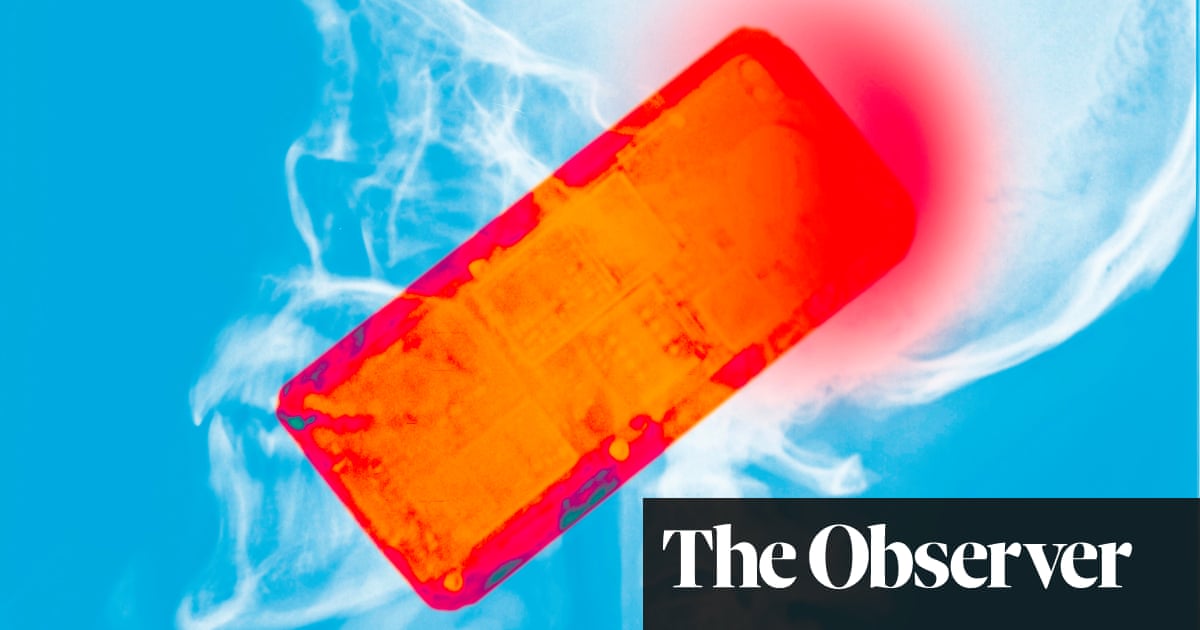
On 28 March this year, the scientific peer review of a landmark United States government study concluded that there is “clear evidence” that radiation from mobile phones causes cancer, specifically, a heart tissue cancer in rats that is too rare to be explained as random occurrence. Eleven independent scientists spent three days at Research Triangle Park, North Carolina, discussing the study, which was done by the National Toxicology Program of the US Department of Health and Human Services and ranks among the largest conducted of the health effects of mobile phone radiation. NTP scientists had exposed thousands of rats and mice (whose biological similarities to humans make them useful indicators of human health risks) to doses of radiation equivalent to an average mobile user’s lifetime exposure.

The peer review scientists repeatedly upgraded the confidence levels the NTP’s scientists and staff had attached to the study, fuelling critics’ suspicions that the NTP’s leadership had tried to downplay the findings. Thus the peer review also found “some evidence” – one step below “clear evidence” – of cancer in the brain and adrenal glands.

Source: theguardian.com
Share :
comments powered by Disqus

Related Posts

How gut microbes are joining the fight against cancer

How gut microbes are joining the fight against cancer

Cancer has been a late bloomer in the microbiome revolution that has surged through biomedicine. Over the past few decades, scientists have linked the gut’s composition of microbes to dozens of seemingly unrelated conditions — from depression to obesity. Cancer has some provocative connections as well: inflammation is a contributing factor to some tumours and a few types of cancer have infectious origins.

Read More
Human blood cells transformed into functional neurons

Human blood cells transformed into functional neurons

Human immune cells in blood can be converted directly into functional neurons in the laboratory in about three weeks with the addition of just four proteins, researchers at the Stanford University School of Medicine have found. The conversion occurs with relatively high efficiency — generating as many as 50,000 neurons from 1 milliliter of blood — and it can be achieved with fresh or previously frozen and stored blood samples, which vastly enhances opportunities for the study of neurological disorders such as schizophrenia and autism. A paper describing the findings was published online June 4 in the Proceedings of the National Academy of Sciences.

Read More
Cancer cells engineered with CRISPR slay their own kin

Cancer cells engineered with CRISPR slay their own kin

Using gene editing, scientists have hoodwinked tumor cells into turning against their own kind. Cancer cells circulating in the bloodstream have something of a homing instinct, able to find and return to the tumor where they originated. To capitalize on that ability, researchers engineered these roving tumor cells to secrete a protein that triggers a death switch in resident tumor cells they encounter.

Read More