New Theory of Intelligence May Disrupt AI and Neuroscience

New Theory of Intelligence May Disrupt AI and Neuroscience

  • October 29, 2018
Table of Contents

New Theory of Intelligence May Disrupt AI and Neuroscience

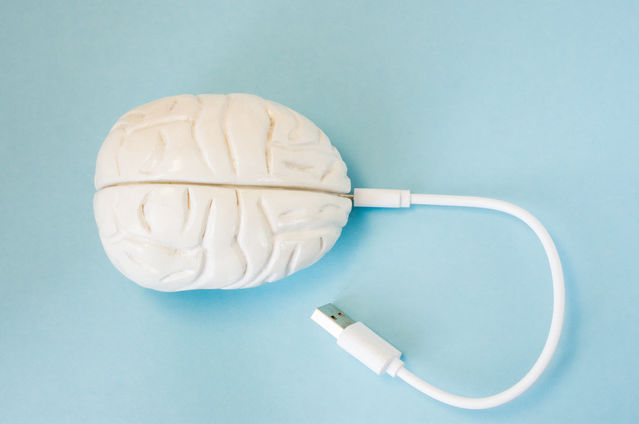
Recent advancement in artificial intelligence, namely in deep learning, has borrowed concepts from the human brain. The architecture of most deep learning models is based on layers of processing– an artificial neural network that is inspired by the neurons of the biological brain. Yet neuroscientists do not agree on exactly what intelligence is, and how it is formed in the human brain — it’s a phenomena that remains unexplained.

Technologist, scientist, and co-founder of Numenta, Jeff Hawkins, presented an innovative framework for understanding how the human neocortex operates, called “The Thousand Brains Theory of Intelligence,” at the Human Brain Project Summit in Maaastricht, the Netherlands, in October 2018.

Source: psychologytoday.com

Share :
comments powered by Disqus

Related Posts

Why React’s new Hooks API is a game changer

Why React’s new Hooks API is a game changer

I have been developing with React since it’s early days and during that time there have been many attempts by both influencers, as well as the core team to improve the API and patterns developers are using to creating software. One of the biggest challenges we have had was how to share behaviour neatly between components to enable reuse or even just separation of concerns. Every single solution proposed up until this point had some problems associated with it.

Read More
California Law Bans Bots From Pretending to Be Human

California Law Bans Bots From Pretending to Be Human

Are you talking to a real person online or a bot? In California, bots will need to identify themselves thanks to a new bill just signed into law by Gov. Jerry Brown. The measure bans automated accounts from pretending to be real people in order to ‘incentivize a purchase or sale of goods or services in a commercial transaction or to influence a vote in an election,’ effective July 1, 2019.

Read More