Scientists develop 10-minute universal cancer test
Table of Contents
Scientists have developed a universal cancer test that can detect traces of the disease in a patient’s bloodstream. The cheap and simple test uses a colour-changing fluid to reveal the presence of malignant cells anywhere in the body and provides results in less than 10 minutes. While the test is still in development, it draws on a radical new approach to cancer detection that could make routine screening for the disease a simple procedure for doctors.
The test has a sensitivity of about 90%, meaning it would detect about 90 in 100 cases of cancer. It would serve as an initial check for cancer, with doctors following up positive results with more focused investigations. The test was made possible by the Queensland team’s discovery that cancer DNA and normal DNA stick to metal surfaces in markedly different ways.
This allowed them to develop a test that distinguishes between healthy cells and cancerous ones, even from the tiny traces of DNA that find their way into the bloodstream. Healthy cells ensure they function properly by patterning their DNA with molecules called methyl groups. These work like volume controls, silencing genes that are not needed and turning up others that are.
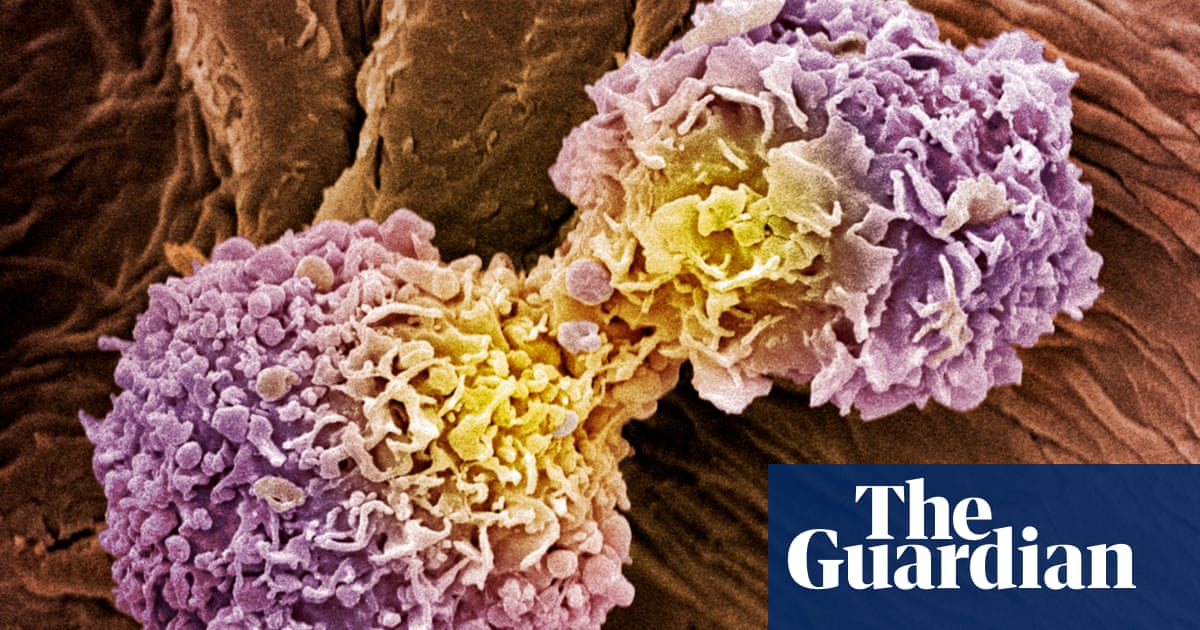
In cancer cells, this patterning is hijacked so that only genes that help the cancer grow are switched on. While the DNA inside normal cells has methyl groups dotted all over it, the DNA inside cancer cells is largely bare, with methyl groups found only in small clusters at specific locations.
Source: theguardian.com