Write operators for databases in Kubernetes with KubeDB

Write operators for databases in Kubernetes with KubeDB

  • January 21, 2019
Table of Contents

Write operators for databases in Kubernetes with KubeDB

Running production quality databases in Kubernetes can be quite a hassle. But KubeDB promises to solve all your problems. Let’s have a quick look at this framework.

You can count on KubeDB to solve your problems when running production quality databases in Kubernetes. KubeDB is a framework for writing operators for any database that support certain requirements. Namely: Create a database declaratively using CRD.

Take one-off backups or period backups to various cloud stores, eg,S3, GCS, etc. Restore from backup or clone any database. Native integration with Prometheus for monitoring viaCoreOS Prometheus Operator.

Apply deletion lock to avoid accidental deletion of database. Keep track of deleted databases, cleanup prior snapshots with a single command. Use cli to manage databases like kubectl for Kubernetes.

Source: jaxenter.com
Share :
comments powered by Disqus

Related Posts

8 emerging trends in container orchestration

8 emerging trends in container orchestration

Containerization is now officially mainstream. A quarter of Datadog’s total customer base has adopted Docker and other container technologies, and half of the companies with more than 1,000 hosts have done so. As containers take a more prominent place in the infrastructure landscape, we see our customers adding automation and orchestration to help manage their fleets of ephemeral containers.

Read More
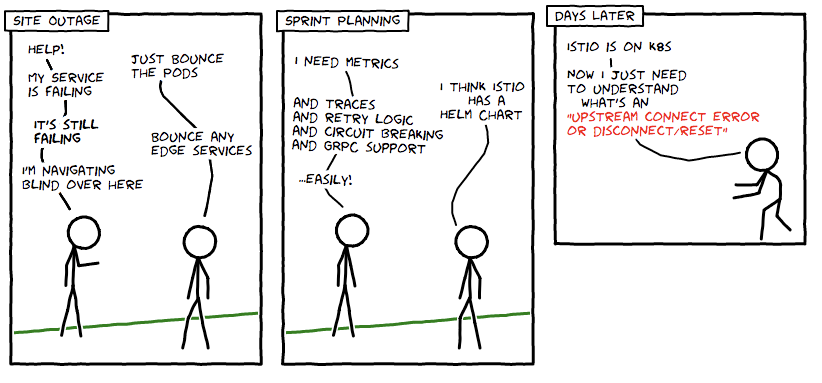
A Crash Course For Running Istio

A Crash Course For Running Istio

At Namely we’ve been running with Istio for a year now. Yes, that’s pretty much when it first came out. We had a major performance regression with a Kubernetes cluster, we wanted distributed tracing, and used Istio to bootstrap Jaeger to investigate.

Read More
Moving from Kube2Iam to Kiam

Moving from Kube2Iam to Kiam

At Ibotta, we chose kube2iam to assign AWS IAM Roles to containers running in our Kubernetes cluster. Lately, we’ve run into some issues with it—specifically when running a job that scores all of our service repos. This spins up a number of pods in parallel and has often failed to correctly access roles.

Read More