A Detailed Overview of AWS API Gateway

A Detailed Overview of AWS API Gateway

  • May 19, 2019
Table of Contents

A Detailed Overview of AWS API Gateway

Look inside the black box of AWS API Gateway to understand authorization, method requests and responses, integration requests and responses, VTL templates, and more. AWS API Gateway is an awesome service to use as an HTTP frontend. You can use it for building serverless applications, for integrating with legacy applications, or for proxying HTTP requests directly to other AWS services.

But understanding the elements of API Gateway can be difficult. If you’re like me, your understanding of API Gateway might be like the following: The most important element is the integration. I’ll sometimes refer to it as a “backing integration” as well.

This is the raison d’etre of the API request — what the client is actually trying to do. It is outside of API Gateway itself. The integration is where API Gateway will route your request once it passes authorization and validation.

An integration could be a Lambda function that processes a payload. It could be an HTTP endpoint which is forwarded the request. It can even be another AWS service that is called directly by API Gateway.

The two other main elements in API Gateway are the request and the response flows. The request flow contains everything before the HTTP request hits the backing integration and is concerned with validating and preparing your request for your integration.

Source: alexdebrie.com

Tags :
Share :
comments powered by Disqus

Related Posts

AWS App Mesh—Service Mesh for Microservices Running on AWS

AWS App Mesh—Service Mesh for Microservices Running on AWS

The idea of a “service mesh” has become increasingly popular over the last couple of years and the number of alternatives available has risen. There are multiple service mesh open-source projects: Istio, Linkerd, Envoy and Conduit which can be deployed on any Kubernetes environment. The AWS App Mesh can be used with microservices running on Amazon Elastic Container Service (Amazon ECS), Amazon Elastic Container Service for Kubernetes (Amazon EKS), and Kubernetes running on Amazon EC2.

Read More
Packets-per-second limits in EC2

Packets-per-second limits in EC2

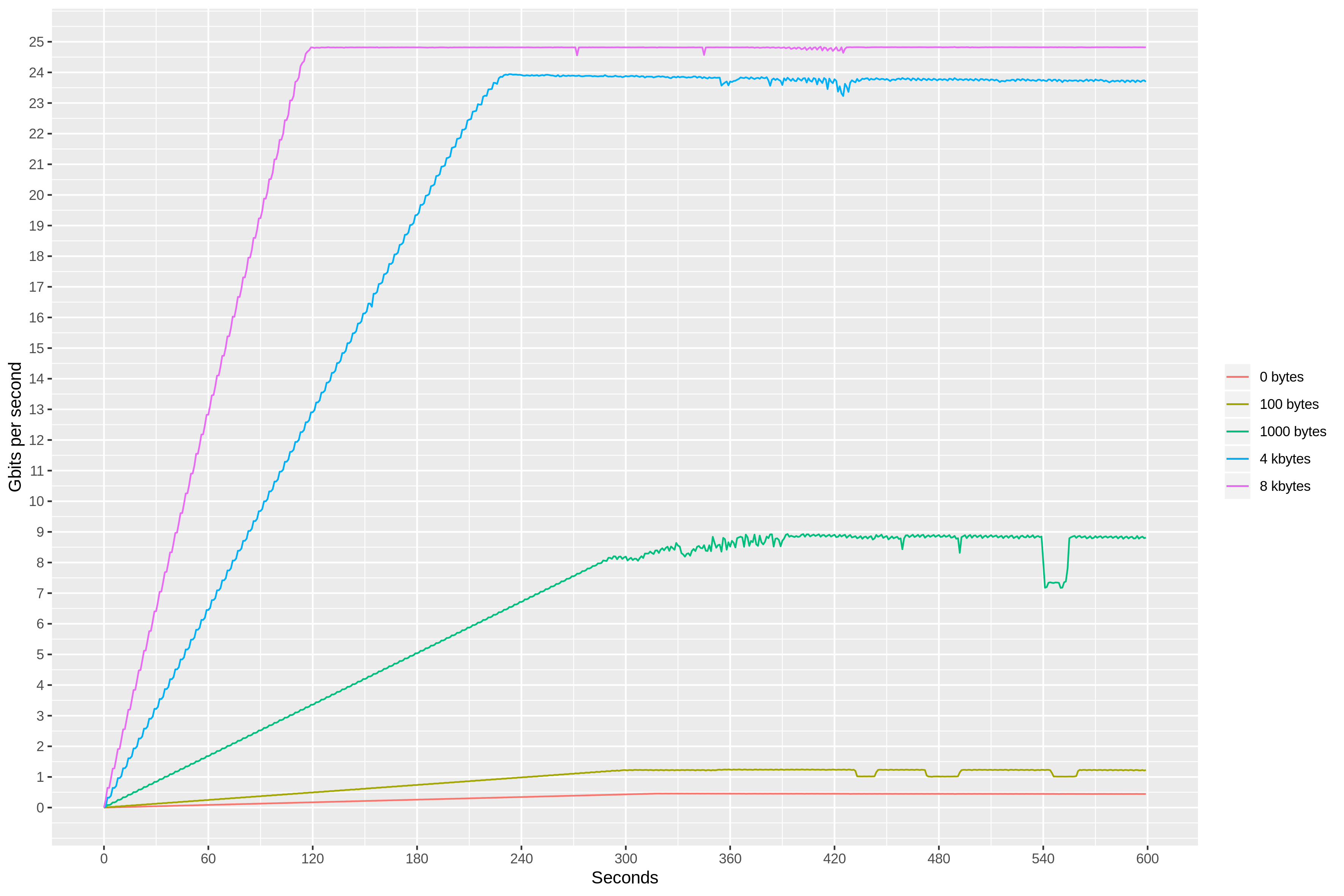
While evaluating the performance of a server application, we eventually (and hopefully) run up against the most fundamental constraining factor: the network. Cloud providers tend to offer somewhat handwavy guidance on networking constraints, especially when compared to the exhaustive literature explaining the quotas for RAM, CPU, and I/O. While working on an unrelated stress test in EC2, we were surprised by some results that led us down the path of investigating EC2 network capacity claims, resulting in this writeup. EC2 documentation describes network performance in terms of maximum available bandwidth.

Read More
AWS App Mesh

AWS App Mesh

AWS recently released a new service App Mesh during the 2019 summit which has generated a lot of interest from developers world-wide. This service is a great example of how Amazon is highly customer-focused in delivery of products/features to the market. Besides that, there is no additional charge for using the service!:-)

Read More