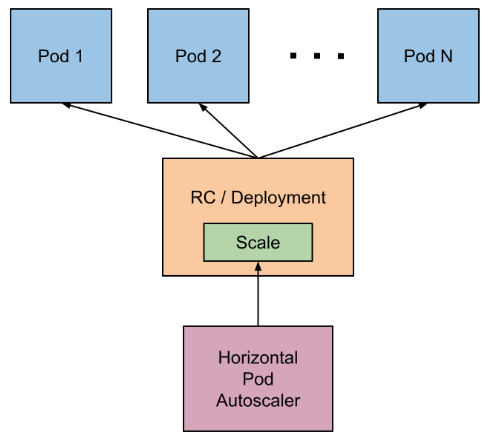
Kubernetes pod autoscaler using custom metrics

Kubernetes pod autoscaler using custom metrics

  • August 4, 2019
Table of Contents

Kubernetes pod autoscaler using custom metrics

In this post we are going to demonstrate how to deploy a Kubernetes autoscaler using a third party metrics provider. You will learn how to expose any custom metric directly through the Kubernetes API implementing an extension service. Dynamic scaling is not a new concept by any means, but implementing your own scaler is a rather complex and delicate task.

That’s why the Kubernetes Horizontal Pod Autoscaler (HPA) is a really powerful Kubernetes mechanism: it can help you to dynamically adapt your service in a way that is reliable, predictable and easy to configure.

Source: sysdig.com
Share :
comments powered by Disqus

Related Posts

Introducing Volume Cloning Alpha for Kubernetes

Introducing Volume Cloning Alpha for Kubernetes

Kubernetes v1.15 introduces alpha support for volume cloning. This feature allows you to create new volumes using the contents of existing volumes in the user’s namespace using the Kubernetes API. Many storage systems provide the ability to create a “clone” of a volume.

Read More
How to detect Kubernetes vulnerability CVE-2019-11246 using Falco.

How to detect Kubernetes vulnerability CVE-2019-11246 using Falco.

A recent CNCF-sponsored Kubernetes security audit uncovered CVE-2019-11246, a high-severity vulnerability affecting the command-line kubectl tool. If exploited, it could lead to a directory traversal, allowing a malicious container to replace or create files on a user’s workstation. This vulnerability stemmed from an incomplete fix of a previously disclosed vulnerability (CVE-2019-1002101).

Read More