Building a Service Mesh with Envoy

Building a Service Mesh with Envoy

  • October 5, 2019
Table of Contents

Building a Service Mesh with Envoy

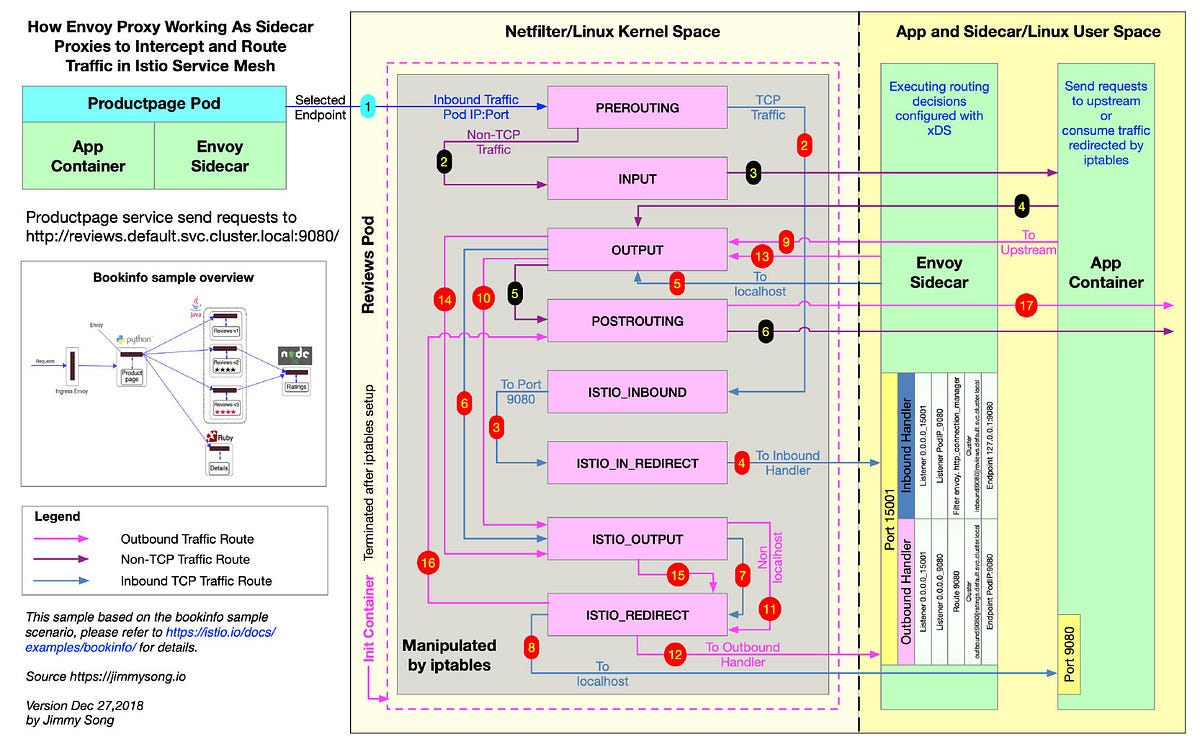
Service Mesh is the communication layer in a microservice setup. All requests, to and from each of the services go through the mesh. Also known as an infrastructure layer in a microservices setup, the service mesh makes communication between services reliable and secure.

Each service has its own proxy service (sidecars) and all the proxy services together form the service mesh. The side cars handle communication between services, which means all the traffic goes through the mesh and this transparent layer can now control how services interact.

Source: thoughtworks.com
Tags :
Share :
comments powered by Disqus

Related Posts

Lyft’s Envoy dashboards

Lyft’s Envoy dashboards

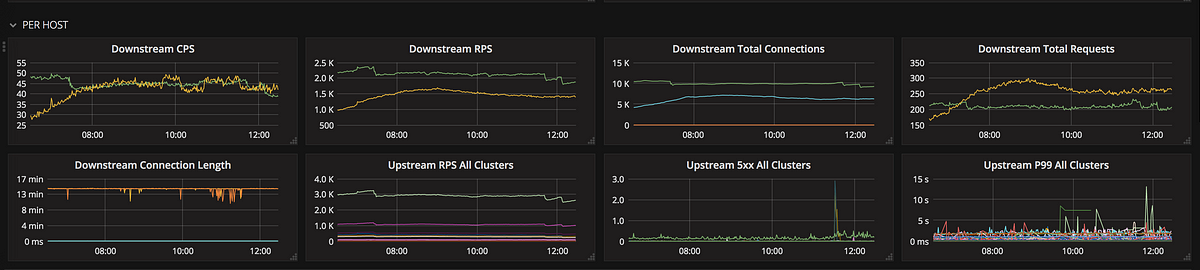
I’ve given quite a few talks about observability in the age of the service mesh (most recent slides, unfortunately this talk series has not been recorded yet). Visibility into the inherently unstable network is one of the most important thing that Envoy provides and I’m asked repeatedly for the source of the dashboards that we use at Lyft. In the interest of “shipping” and getting something out there that can help folks, we are releasing a snapshot of our internal Envoy dashboards.

Read More
How to Write Envoy Filters Like a Ninja!—Part 1

How to Write Envoy Filters Like a Ninja!—Part 1

Envoy is a programmable L3/L4 and L7 proxy that powers today’s service mesh solutions including Istio, AWS App Mesh, Consul Connect, etc. At Envoy’s core lie several filters that provide a rich set of features for observing, securing, and routing network traffic to microservices. In these set of posts, we’ll have a look at the basics of Envoy filters and learn how to extend Envoy by implementing custom filters to create useful features!

Read More