Engineering For Failure

Engineering For Failure

  • September 25, 2020
Table of Contents

Engineering For Failure

A set of practical patterns to recover from failures in external services Not so long ago, our systems were simple: we had one machine, with one process, probably no more than one external datastore, and the entire request lifecycle was processed and handled within this simple world. Our users were also accustomed to a certain SLA standard — a 2-second page load time could have been acceptable a few years ago, but waiting more than a second for an Instagram post is unthinkable nowadays. When systems get more complex, with strict latency requirements and a distributed infrastructure, an uninvited guest crawls up our systems — request failure.

Source: medium.com
Share :
comments powered by Disqus

Related Posts

3 Years of Kubernetes in Production–Here’s What We Learned

3 Years of Kubernetes in Production–Here’s What We Learned

We started out building our first Kubernetes cluster in 2017, version 1.9.4. We had two clusters, one that ran on bare-metal RHEL VMs, and another that ran on AWS EC2. Today, our Kubernetes infrastructure fleet consists of over 400 virtual machines spread across multiple data-centres.

Read More
Designing Edge Gateway, Uber’s API Lifecycle Management Platform

Designing Edge Gateway, Uber’s API Lifecycle Management Platform

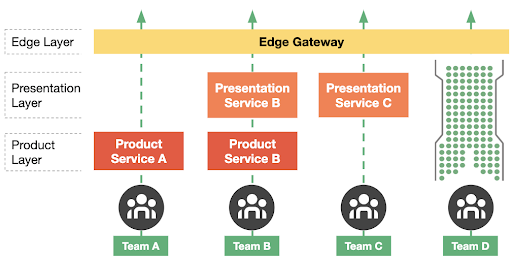
In October 2014, Uber had started its journey of scale in what would eventually turn out to be one of the most impressive growth phases in the company. Over time we were scaling our engineering teams non-linearly each month and acquiring millions of users across the world. In this article, we will go through the different phases of the evolution of Uber’s API gateway that powers Uber products.

Read More
Scaling services with Shard Manager

Scaling services with Shard Manager

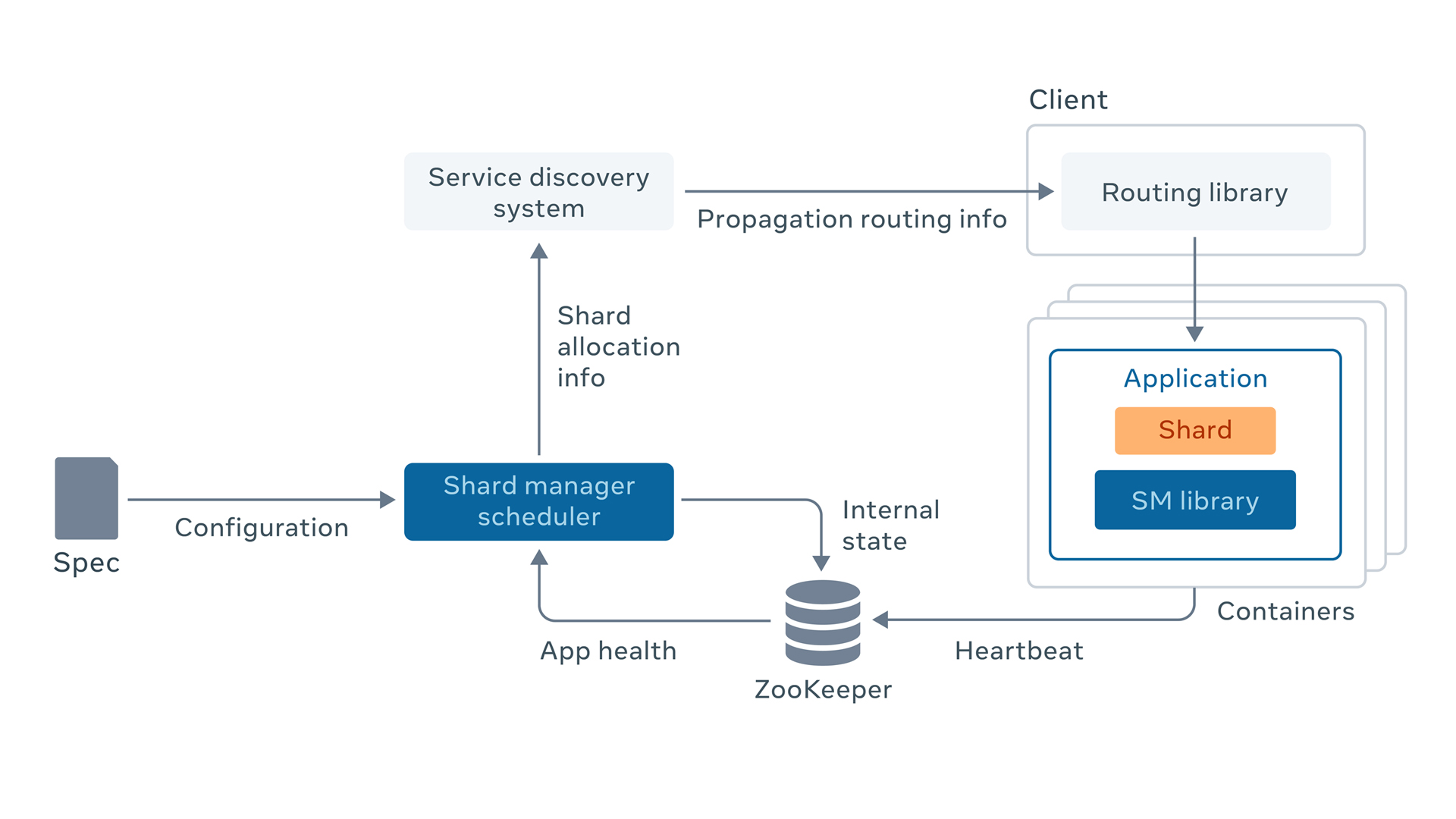
We look at how Shard Manager is fully integrated in Facebook’s infrastructure ecosystem and provides a holistic, end-to-end solution supporting basic shard failover as well as sophisticated load balancing, shard scaling, and operational safety. Over the years, as we’ve expanded in scale and functionalities, Facebook has evolved from a basic web server architecture into a complex one with thousands of services working behind the scenes. It’s no trivial task to scale the wide range of back-end services needed for Facebook’s products.

Read More