News
- Home /
- News
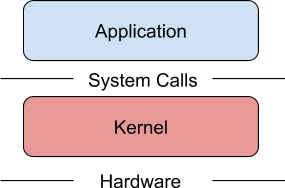
Open-sourcing gVisor, a sandboxed container runtime
Containers have revolutionized how we develop, package, and deploy applications. However, the system surface exposed to containers is broad enough that many security experts don’t recommend them for running untrusted or potentially malicious applications. A growing desire to run more heterogenous and less trusted workloads has created a new interest in sandboxed containers—containers that help provide a secure isolation boundary between the host OS and the application running inside the container.
Read More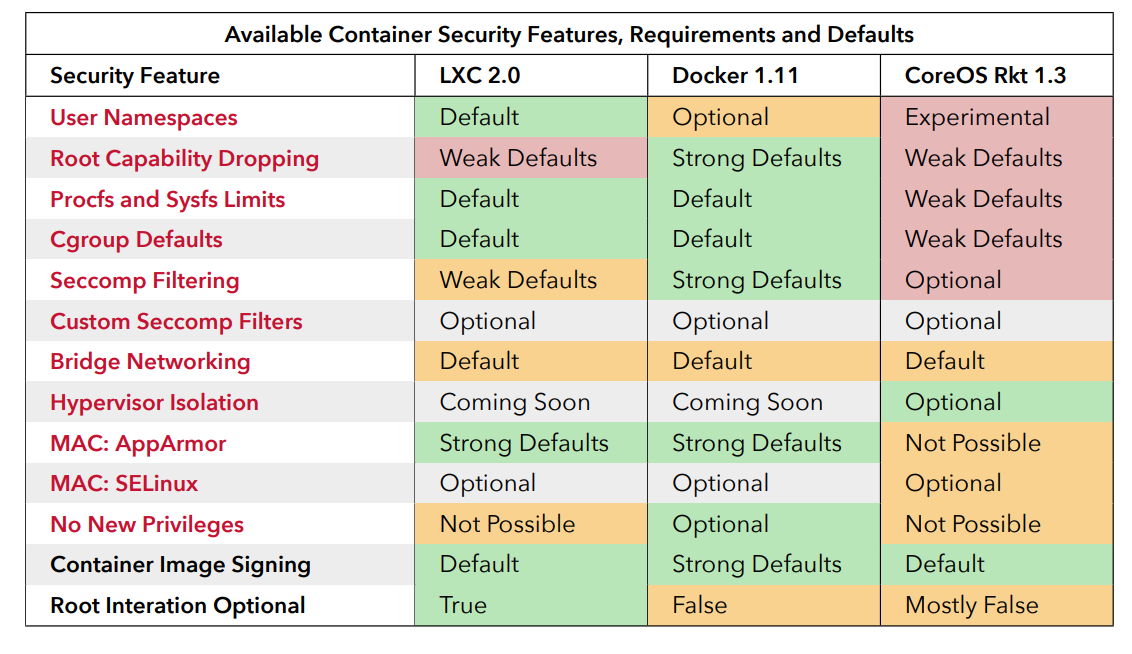
Containers, Security and Echo chambers
There seems to be some confusion around sandboxing containers as of late, mostly because of the recent launch of gvisor. Before I get into the body of this post I would like to make one thing clear. I have no problem with gvisor itself.
Read More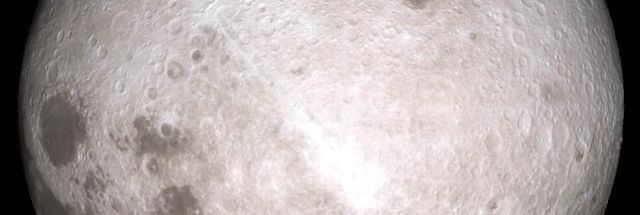
China has launched a communications satellite to the Moon
China’s space agency has taken a critical first step toward an unprecedented robotic landing on the far side of the Moon. On Monday, local time, theChina Aerospace Science and Technology Corporation launched aLong March 4C rocket from the Xichang Satellite Launch Center. Although it did not broadcast the launch, the Chinese space agency said it went smoothly, according to the state news service Xinhua.
Read More

Tensor Compilers: Comparing PlaidML, Tensor Comprehensions, and TVM
One of the most complex and performance critical parts of any machine learning framework is its support for device specific acceleration. Indeed, without efficient GPU acceleration, much of modern ML research and deployment would not be possible. This acceleration support is also a critical bottleneck, both in terms of adding support for a wider range of hardware targets (including mobile) as well as for writing new research kernels.
Read More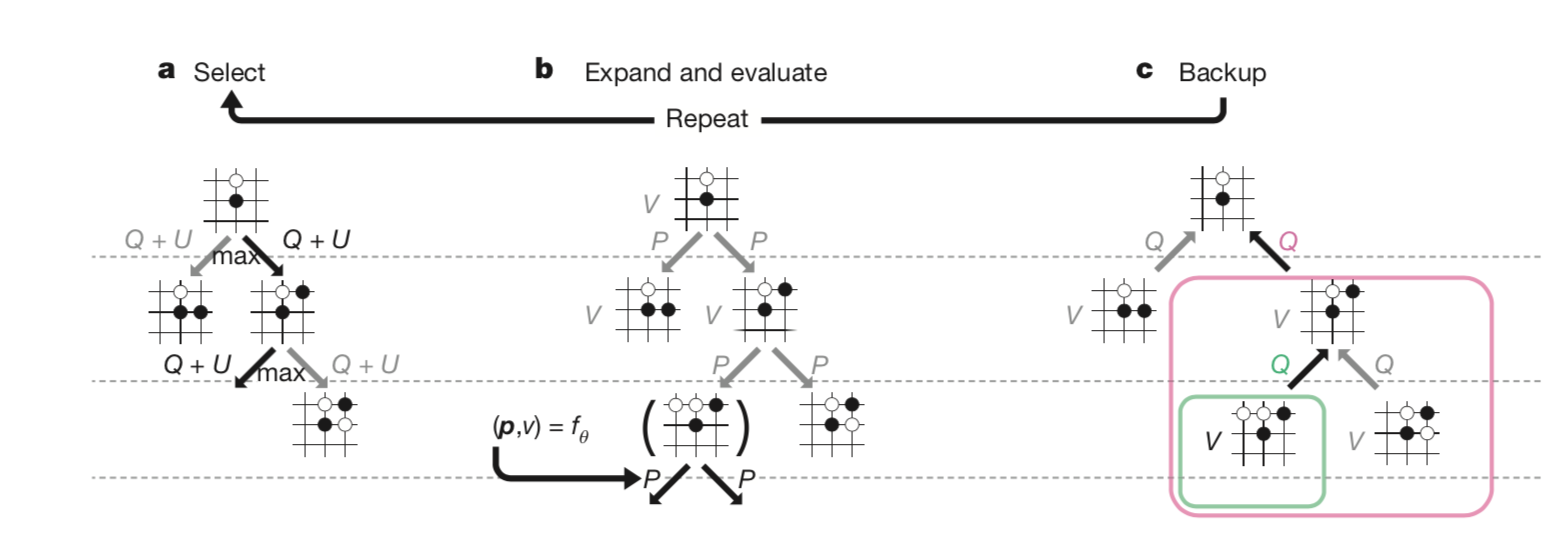
A Deep Dive into Monte Carlo Tree Search
The very first Go AIs used multiple modules to handle each aspect of playing Go – life and death, capturing races, opening theory, endgame theory, and so on. The idea was that by having experts program each module using heuristics, the AI would become an expert in all areas of the game. All that came to a grinding halt with the introduction of Monte Carlo Tree Search (MCTS) around 2008.
Read More

Estonia plans to become a free public transport nation
After a successful experiment with free public transport for all citizens in Tallinn, Estonia wants to become the world’s first free public transport nation. Allan Alaküla explains why this is a good idea. Tallinn, known for its digital government and successful tech startups, is often referred to as Europe’s innovation capital.
Read More
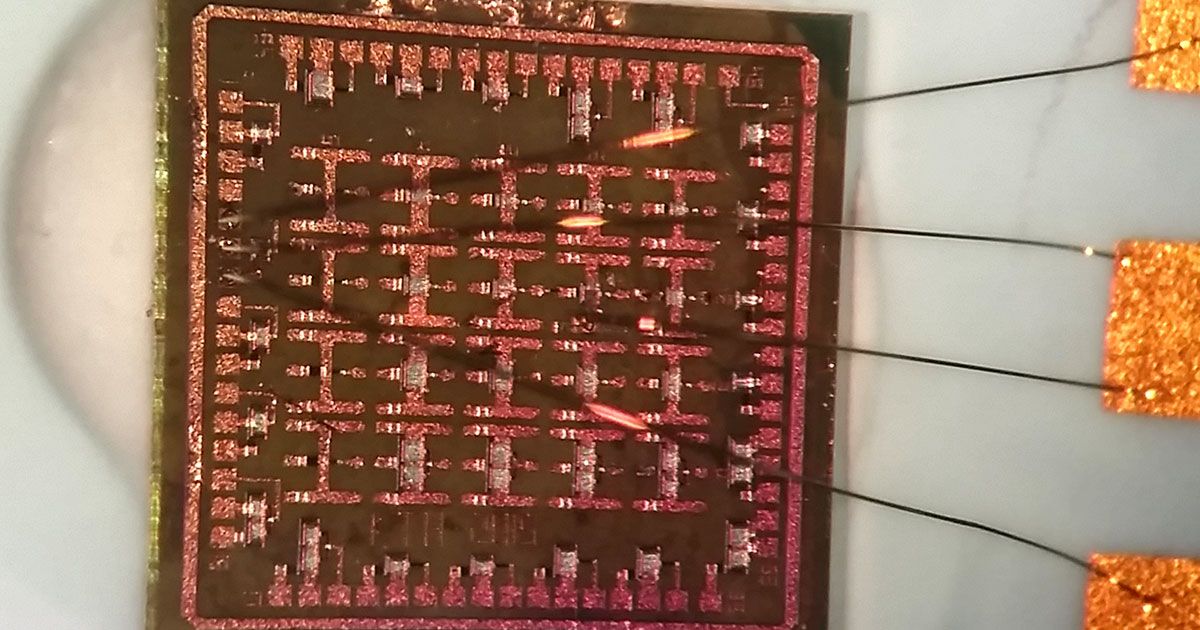
Making Radio Chips for Hell
Mixer IC works at 500 degrees Celsius, so it can take the heat on the surface of Venus, inside a natural gas turbine, or in the bowels of a 6-kilometer deep oil well. There are still some places the Internet of Things fears to tread. Researchers at the University of Arkansas and the KTH Royal Institute of Technology, in Sweden, are building a radio for those places.
Read MoreCategories
Tags
- 3dprinting
- 5g
- Agent
- Agentic
- Ai
- Alexa
- Algorithm
- Amazon
- Ambassador
- Ansible
- Anthropic
- Api
- Apple
- Appmesh
- Appswitch
- Argo
- Art
- Artificialintelligence
- Astronomy
- Augmentedreality
- Aurora
- Australia
- Authentication
- Automation
- Aws
- Azure
- Bayesian
- Bgp
- Bigdata
- Bioengineering
- Biology
- Biotech
- Blackhole
- Blockchain
- Brain
- Build
- Buildah
- Business
- Cancer
- Casestudy
- China
- Chip
- Cia
- Cicd
- Cilium
- Climatechange
- Cloud
- Cloudflare
- Cloudnative
- Cncf
- Codeanalysis
- Computing
- Connectedcars
- Consul
- Container
- Coredns
- Creativity
- Crio
- Crispr
- Cubesat
- Culture
- Dashboard
- Data
- Database
- Datacenter
- Datadog
- Datascience
- Dataset
- Deeplearning
- Deepmind
- Developer
- Development
- Devops
- Digitalcurrency
- Dna
- Dns
- Docker
- Drone
- Ec2
- Economy
- Education
- Einstein
- Eks
- Elasticsearch
- Electricvehicle
- Emdrive
- Energy
- Engineering
- Envoy
- Erlang
- Esa
- Facialrecognition
- Fail
- Falco
- Fashion
- Fda
- Federation
- Fitnessfunction
- Flair
- Fluentd
- Flutter
- Flyingcars
- Food
- Funny
- Gaia
- Gcp
- Gdpr
- Genome
- Geography
- Geopolitics
- Gis
- Git
- Github
- Gitlab
- Gitops
- Gloo
- Go
- Gps
- Grafana
- Graphene
- Graphql
- Grpc
- Hashicorp
- Health
- Healthcare
- Helm
- Hft
- Highavailability
- History
- Http
- Hurricane
- Hyperloop
- Iac
- Ibm
- Image
- Imagerecognition
- Ingress
- Innovation
- Intel
- Ios
- Iot
- Istio
- Jaeger
- Jenkins
- Julia
- Kafka
- Keras
- Kiali
- Kitesurf
- Knative
- Kubedb
- Kubeedge
- Kubernetes
- Lambda
- Latinamerica
- Legal
- Lidar
- Linkerd
- Linux
- Llm
- Lyft
- M3
- Machinelearning
- Mars
- Math
- Mcp
- Microservices
- Microsoft
- Mobile
- Mongo
- Monitoring
- Moon
- Multicloud
- Multicluster
- Mysql
- Nanorobot
- Nasa
- Nature
- Navigation
- Network
- Networking
- Newrelic
- News
- Nextjs
- Nlp
- Nlu
- Observability
- Onnx
- Onpremise
- Opencensus
- Openmetrics
- Opentracing
- Openwhisk
- Operator
- Opinion
- Outage
- Perforce
- Performance
- Pharma
- Philosophy
- Physics
- Podman
- Postgres
- Pprof
- Presto
- Privacy
- Programming
- Prometheus
- Protocol
- Psychology
- Python
- Pytorch
- Qa
- Quantum
- Quantumcomputing
- Qubit
- React
- Recycling
- Redis
- Release
- Renewable
- Research
- Resilience
- Rnn
- Robot
- Rook
- Scalability
- Scaling
- Science
- Secrets
- Security
- Selfdrivingcars
- Sentry
- Serverless
- Servicemesh
- Slack
- Smartgrid
- Smi
- Sociology
- Space
- Spacex
- Spacy
- Spark
- Spinnaker
- Sql
- Squash
- Sre
- Startup
- Storage
- Study
- Success
- Swift
- Sysdig
- Tailwind
- Technology
- Tensorflow
- Terraform
- Tesla
- Testcategory1
- Textclassification
- Traefik
- Training
- Transportation
- Troubleshooting
- Uber
- Ubi
- Vault
- Velero
- Versioncontrol
- Video
- Virtualreality
- Vision
- Visualization
- Vitess
- Warfare
- Wd
- Web
- Weird
- Wikipedia