Your Speech Is Packed With Misunderstood, Unconscious Messages

Your Speech Is Packed With Misunderstood, Unconscious Messages

  • March 20, 2018
Table of Contents

Your Speech Is Packed With Misunderstood, Unconscious Messages

Imagine standing up to give a speech in front of a critical audience. As you do your best to wax eloquent, someone in the room uses a clicker to conspicuously count your every stumble, hesitation, um and uh; once you’ve finished, this person loudly announces how many of these blemishes have marred your presentation.

Source: nautil.us
Share :
comments powered by Disqus

Related Posts

Studying how the brain relinquishes childhood memories

Studying how the brain relinquishes childhood memories

We called them fairy rocks. They were just colorful specks of gravel—the kind you might buy for a fish tank—mixed into my preschool’s playground sand pit. But my classmates and I endowed them with magical properties, hunted them like treasure, and carefully sorted them into piles of sapphire, emerald, and ruby.

Read More
The forgetting curve explains why humans struggle to memorize

The forgetting curve explains why humans struggle to memorize

Learning has an evolutionary purpose: Among species, individuals that adapt to their environments will succeed. That’s why your brain more easily retains important or surprising information: It takes very little effort to remember that the neighbor’s dog likes to bite. Remembering the dog’s name is harder.

Read More
Hacking the Brain with Adversarial Images

Hacking the Brain with Adversarial Images

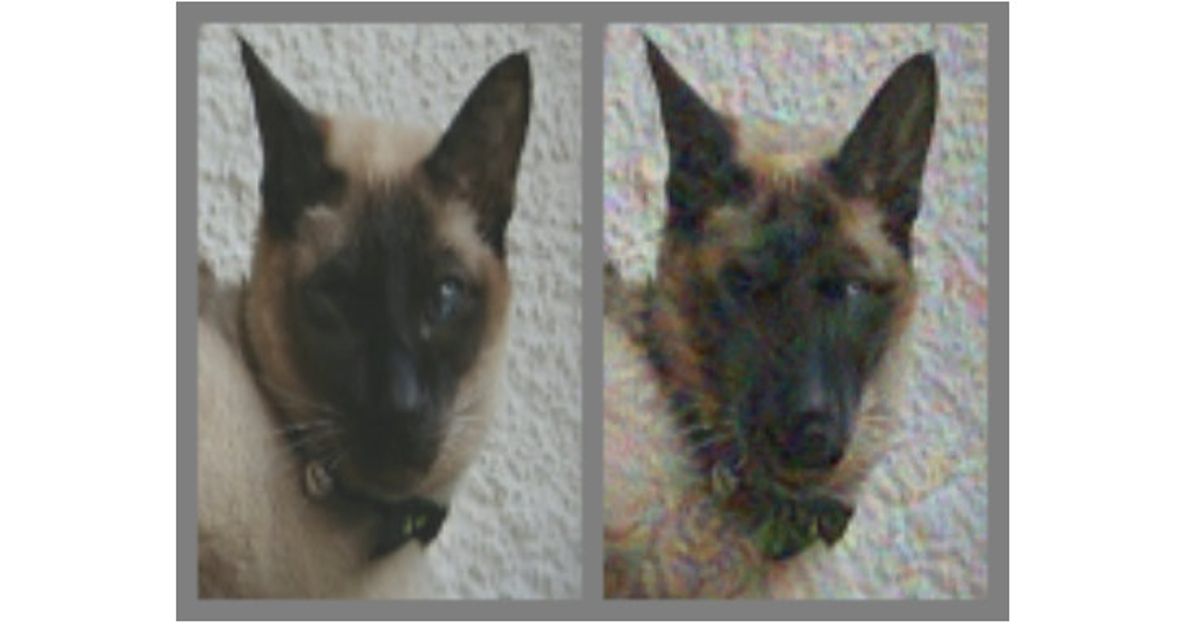
This is an example of what’s called an adversarial image: an image specifically designed to fool neural networks into making an incorrect determination about what they’re looking at. Researchers at Google Brain decided to try and figure out whether the same techniques that fool artificial neural networks can also fool the biological neural networks inside of our heads, by developing adversarial images capable of making both computers and humans think that they’re looking at something they aren’t.

Read More