In to Asia

In to Asia

  • March 31, 2018
Table of Contents

In to Asia

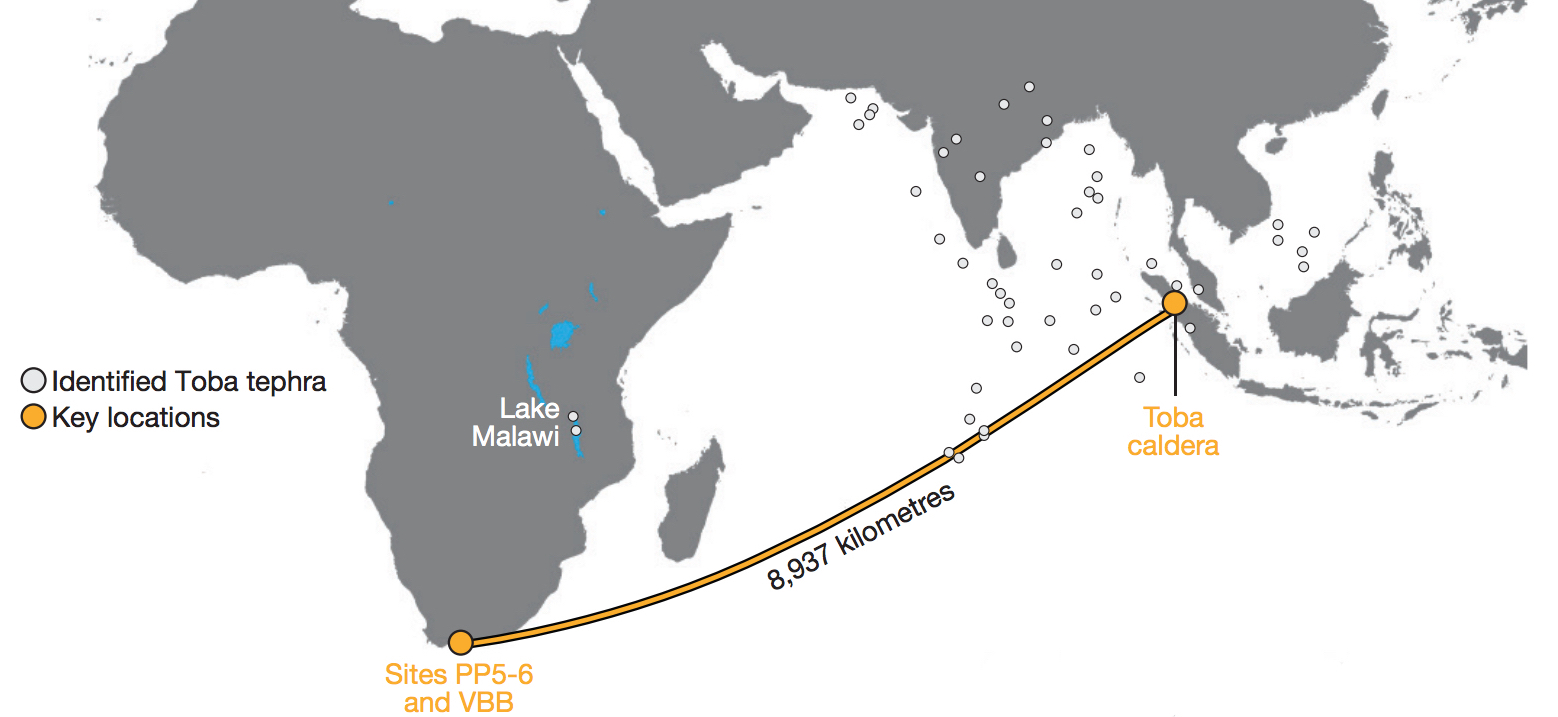
Modern humans arose only once, in Africa, about 200,000 years ago. They then spread across Eurasia some time after 60,000 years ago, replacing whatever indigenous populations they met with no interbreeding. This is the ‘Out of Africa’ model, as it’s commonly known.

In the 1990s, the hypothesis found widespread acceptance by palaeoanthropologists, especially when the first analyses of Neanderthal DNA seemed to indicate that Neanderthals and modern humans did not interbreed. But this popular idea is in need of revision, particularly given the number of important findings across Asia over the past few decades.

Source: aeon.co
Tags :
Share :
comments powered by Disqus

Related Posts

13,000-year-old human footprints discovered in British Columbia

13,000-year-old human footprints discovered in British Columbia

Thirteen thousand years ago, a small group of people walked on a beach on one of the thousands of low islands off the coast of British Columbia. These walkers were some of the first humans to settle here.

Read More
A giant aircraft carrier built from ice

A giant aircraft carrier built from ice

Britain was losing the Battle of the Atlantic, with German U-boats sinking ship after ship. Enter Project Habakkuk, the incredible plan to build an aircraft carrier from ice.

Read More