Why symmetry gets really interesting when it is broken

Why symmetry gets really interesting when it is broken

  • April 11, 2018
Table of Contents

Why symmetry gets really interesting when it is broken

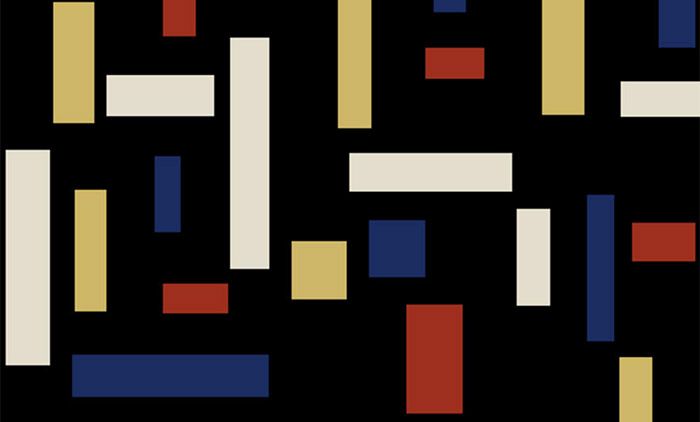
A hypothetical alien visitor, sent to observe all of human culture – art and architecture, music and medicine, storytelling and science – would quickly conclude that we as a species are obsessed with patterns. The formal gardens of 18th-century England, the folk tales of medieval Germany and the traditional woven fabrics of Mayan civilisation have little in common, but they each owe their aesthetic appeal to being composed of smaller, identical parts arranged into a harmonious whole.

Source: aeon.co

Share :
comments powered by Disqus

Related Posts

Unhappiness Is a Palate-Cleanser

Unhappiness Is a Palate-Cleanser

Happiness, in one form or another, seems to be a common goal that most of us would like to attain. We often behave as though we might find a route to contentment—comfort, satiety, warmth, or some other reward—and be happy all the time if we could just make the right choices. But pleasure is often fleeting, even from the most appealing experiences, giving rise to ennui and sparking the drive for something new and sensational.

Read More
Ratings inflation on Uber and elsewhere

Ratings inflation on Uber and elsewhere

Uber asks riders to give their drivers a rating of one to five stars at the end of each trip. But very few people make use of this full scale. That’s because it’s common knowledge among Uber’s users that drivers need to maintain a certain minimum rating to work, and that leaving anything less than five stars could jeopardize their status.

Read More