The dark side of YouTube

The dark side of YouTube

  • November 19, 2018
Table of Contents

The dark side of YouTube

The YouTube algorithm that I helped build in 2011 still recommends the flat earth theory by the hundreds of millions. This investigation by @RawStory shows some of the real-life consequences of this badly designed AI.

Source: threader.app

Tags :
Share :
comments powered by Disqus

Related Posts

Real Time Facial Expression Recognition

Real Time Facial Expression Recognition

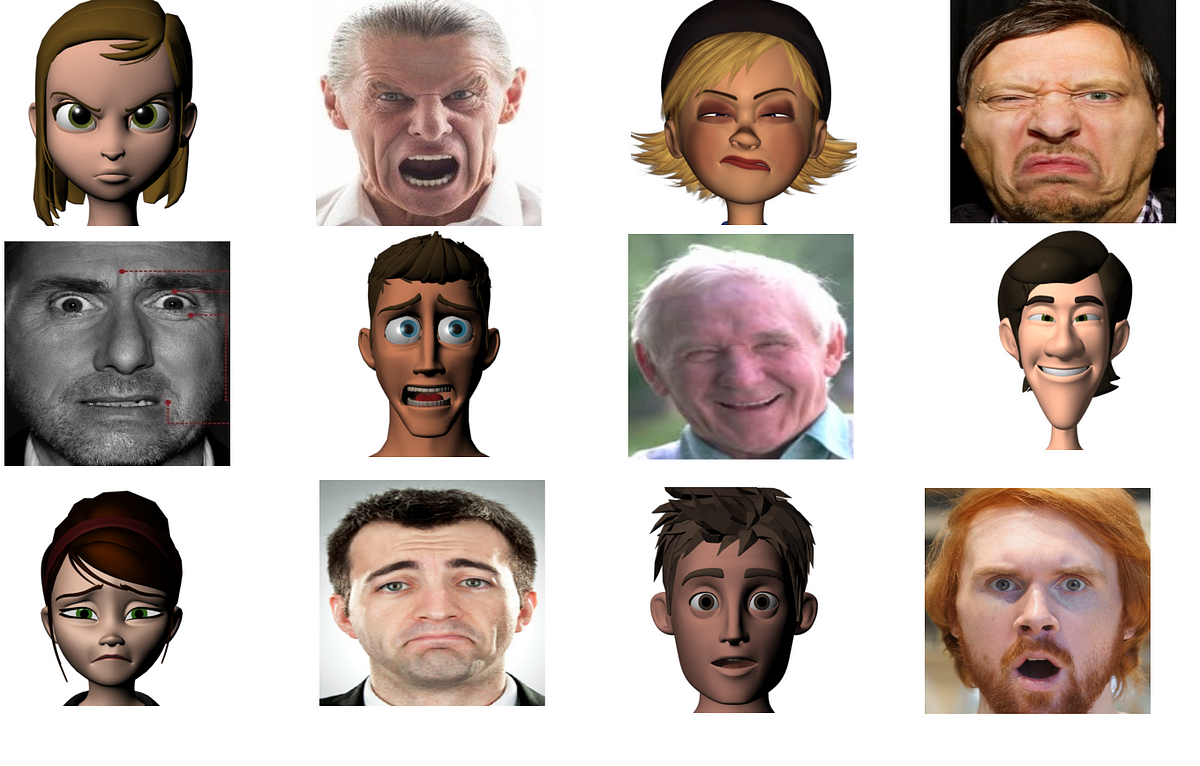
Computer animated agents and robots bring new dimension in human computer interaction which makes it vital as how computers can affect our social life in day-to-day activities. Face to face communication is a real-time process operating at a time scale in the order of milliseconds. The level of uncertainty at this time scale is considerable, making it necessary for humans and machines to rely on sensory rich perceptual primitives rather than slow symbolic inference processes.

Read More
20 Best YouTube channels for AI and machine learning

20 Best YouTube channels for AI and machine learning

What are the most interesting and informative YouTube channels about artificial intelligence (AI) and machine learning? Subscribe to these 20 high-quality channels today to stay up to date with the latest AI and machine learning breakthroughs. Siraj Raval:

Read More
A Google Brain engineer’s guide to entering AI

A Google Brain engineer’s guide to entering AI

Note that this guide was written in November 2018 to complement an in-depth conversation on the 80,000 Hours Podcast with Catherine Olsson and Daniel Ziegler on how to transition from computer science and software engineering in general into ML engineering, with a focus on alignment and safety. If you like this guide, we’d strongly encourage you to check out the podcast episode where we discuss some of the instructions here, and other relevant advice. Technical AI safety is a multifaceted area of research, with many sub-questions in areas such as reward learning, robustness, and interpretability.

Read More